
What to Agree With a Supplier Before Your First Production Run
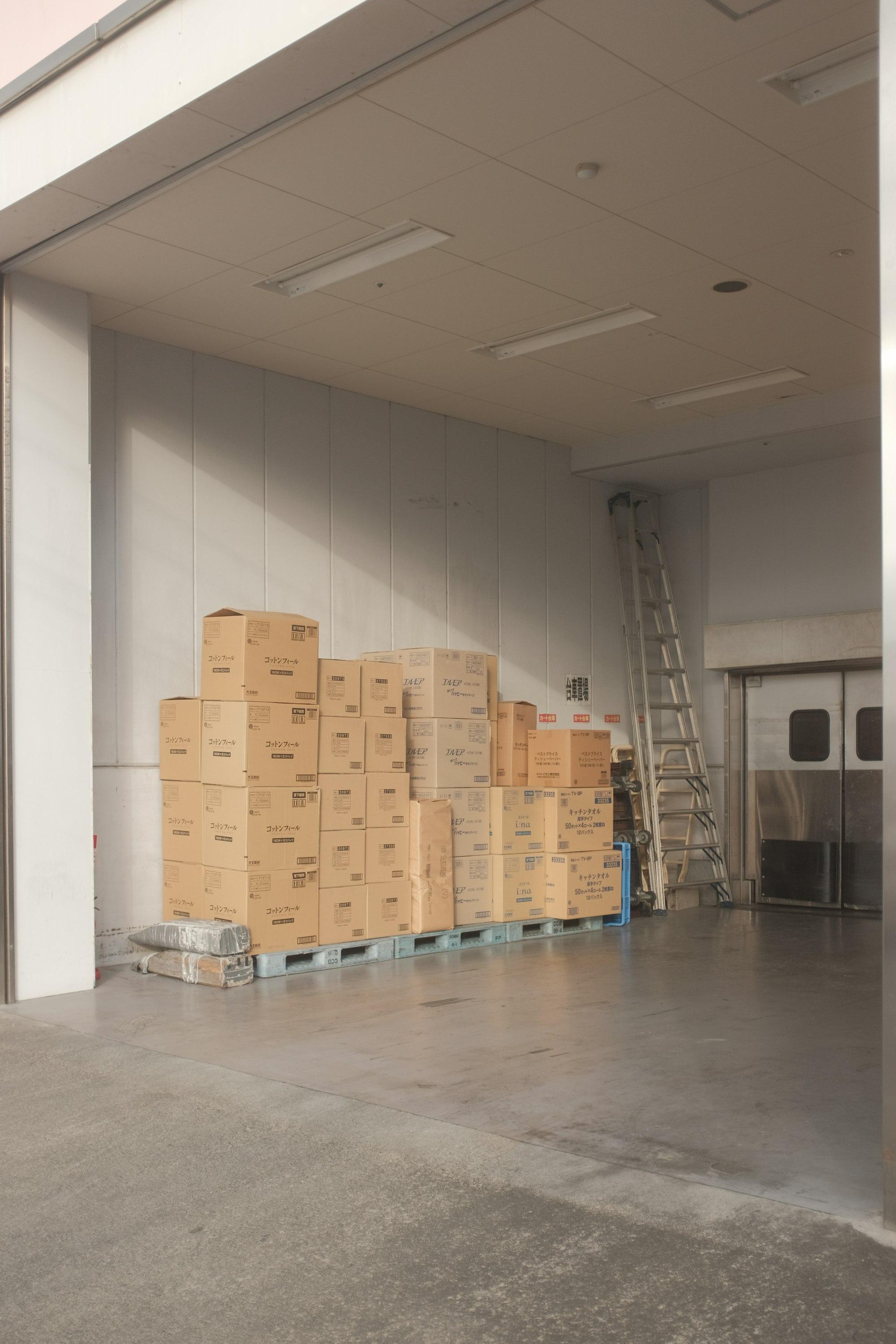
Most sourcing problems start as something nobody wrote down. Here is what to agree in writing with a new supplier before the first order goes into production.
A good sample is encouraging, but it isn’t an agreement. The gap between “the sample looked right” and “the stock arrived right” is where most first-order problems live: a slightly different colour, cartons that don’t meet a warehouse’s requirements, labels in the wrong place, or a shipment that leaves later than you planned your launch around.
The fix is simple, if a little tedious: agree the important details in writing before production starts, and keep that record somewhere both sides can see it. This article walks through what we would want settled. It isn’t legal advice, and contract terms, duties and import rules depend on your products and the countries involved, so take professional advice where it matters.
Write the product specification
A specification sheet is the reference everyone works from. It should be specific enough that two different factories would make the same product from it. Include:
- Materials, finishes and colours, with reference codes where they exist
- Dimensions and weights, with acceptable tolerances
- Components, accessories and anything included in the box
- Any branding, printing or engraving, with artwork files and positions
- Functional requirements — what the product must do, and how that will be checked
Sign off a golden sample
Once a pre-production sample matches the specification, keep it as the “golden sample”: the physical standard production is judged against. Ideally both you and the supplier hold an identical, labelled sample. Photograph it from every angle and attach the photos to your written agreement.
Changes reset the clock
If you change anything after sign-off — a material, a colour, the packaging — treat it as a new sample. Small “we’ll just adjust it in production” changes are a common source of surprises.
Packaging, cartons and labelling
Packaging is easy to leave until late, and it affects more than presentation. Agree the retail packaging, the inner packing and the outer carton, including how many units go in each carton and how cartons are marked.
If stock is going to a marketplace fulfilment centre or a third-party warehouse, check their current packaging and labelling requirements before you finalise anything, and share them with the supplier. Requirements differ between programmes and change over time, and stock that doesn’t meet them can be delayed or refused.
Quality checks and inspection
Decide how you will know the order is right before it ships, not after it lands. Agree:
- What counts as a defect, and which defects are critical, major or minor
- Whether an inspection will happen before shipment, and who will carry it out
- How many units will be checked, and what happens if the order fails
- Who pays for rework or replacement if production doesn’t match the golden sample
Lead times, payment and shipping terms
Lead times
Ask for a production timeline with milestones — materials in, production start, production end, inspection, ready to ship — rather than a single date. Ask how holidays and peak seasons affect it. Then add a buffer before you announce a launch date.
Payment and Incoterms
Agree payment stages in writing and tie the final payment to a passed inspection where you can. Agree which Incoterm applies, so it is clear who is responsible for the goods, costs and risk at each stage of the journey. If you are unsure which suits you, a freight forwarder or customs adviser can explain the options for your route.
Keep a single, shared record
Put the specification, the golden-sample photos, packaging details, inspection criteria and timeline in one document, with a version number and date. When anything changes, update it and send it again. It sounds bureaucratic, but it turns arguments about what was said into a quick check of what was agreed.
If you would like support finding suppliers, managing samples or coordinating shipments, our sourcing and logistics service covers that work end to end.